Stadium Off-Season Optimization: Turning the Off-Season Into an Advantage
Stoc Brief
- Stadium off-season optimization often begins with investigation. Most operators spend the first weeks of the off-season trying to reconstruct what happened across dozens of events using sales reports and historical data.
- Sales data shows what sold, but it rarely reveals true demand. It cannot capture stockouts, cooler interaction, or where fans attempted to purchase beverages that were no longer available.
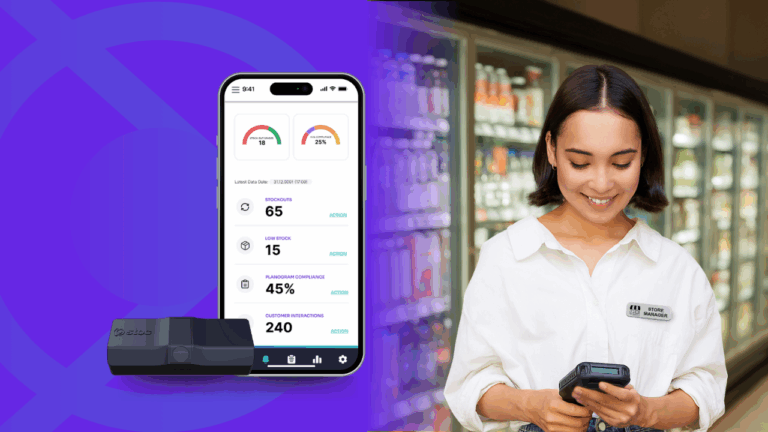
- Stoc captures these operational demand signals throughout the season. By measuring cooler activity, product availability, and replenishment performance during live events, operators enter the off-season with clear insights and can immediately execute improvements for the next season.
The Off-Season Problem Most Stadium Teams Face
For many stadium teams, stadium off-season optimization begins with the same challenge every year.
Operators know improvements need to be made before the next season begins. Planograms are redesigned, beverage assortments are reviewed, and concession operations are adjusted to improve performance.
But before any changes happen, teams must first answer one simple question:
What actually happened last season?
- Which products ran out?
- Which markets experienced the highest demand?
- Which coolers struggled to keep up with fans during peak moments?
Answering these questions usually requires digging through historical reports and sales data across dozens of games, concerts, and events. Teams attempt to reconstruct demand patterns in order to understand where improvements should be made.
That process can take weeks.
And even after the analysis is complete, the picture is often incomplete.
Because most stadium reporting systems were never designed to explain demand behavior inside beverage coolers.
Why Sales Data Isn’t Enough
Sales reports show what sold.
They do not show what fans actually wanted.
If a beverage sells out halfway through an event, sales data records the units sold. What it cannot show is whether fans still wanted that product once it disappeared from the cooler.
Sales data also cannot reveal:
- Which coolers fans interact with most frequently
- How long products remain unavailable once they stock out
- Where operations struggle to replenish inventory fast enough
Without these signals, operators must rely on assumptions when planning the next season.
And assumptions rarely lead to optimal execution.
Where Stoc Changes the Equation
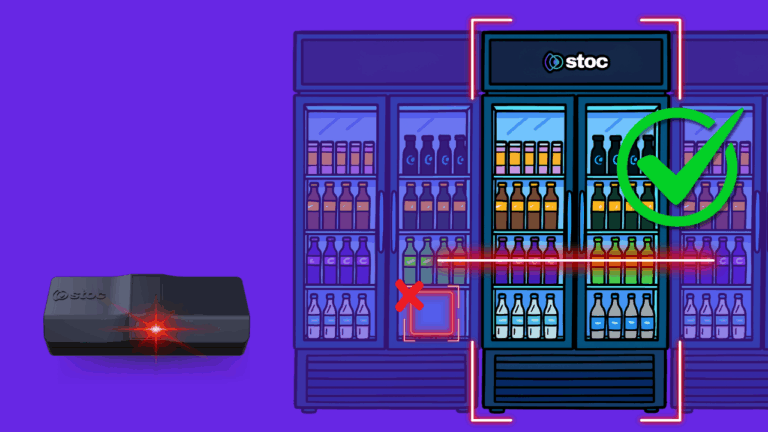
Stoc captures operational demand signals during live events throughout the season.
Instead of reconstructing performance months later, operators gain visibility into how beverage coolers actually behave while fans are interacting with them.
By the time the season ends, the insights are already available.
Operators know:
- Which coolers receive the most fan interaction
- Which beverages consistently run out
- Which products occupy cooler space but rarely move
- Which markets struggle to keep up with demand
This visibility fundamentally changes stadium off-season optimization.
Instead of starting with investigation, operators start with answers.
The Signals Stoc Measures
Stoc continuously measures how beverage environments perform during live events. These signals reveal both fan demand patterns and operational performance across the venue.
Some insights show where fans interact most with beverage coolers.
Others reveal which products struggle to keep up with demand.
Together, they provide a complete view of beverage performance inside the stadium.
Cooler & Market Activity
Stoc tracks cooler door activity across markets throughout events.
Door openings provide a reliable signal for fan interaction with beverage coolers. When operators compare door activity across markets, demand patterns quickly become visible.
Some markets consistently attract more shopper activity than others.
In one stadium environment, for example, operators discovered that markets on one side of the venue experienced significantly higher beverage demand during games. Historically, inventory had been distributed evenly across the stadium.
Once those patterns became visible, operators were able to strategically select which markets to keep open vs. close and reduce repeated stockouts in the highest-traffic areas.
Insights like these help teams rethink cooler placement, staffing, and replenishment strategies during the off-season.
Product Demand Intelligence
One of the most valuable insights Stoc provides for stadium off-season optimization is visibility into true product demand.
Instead of relying solely on sales reports, Stoc measures how product availability changes throughout events. These signals reveal which beverages fans consistently reach for and where supply struggles to keep up with demand.
Key demand signals include:
Stockouts:
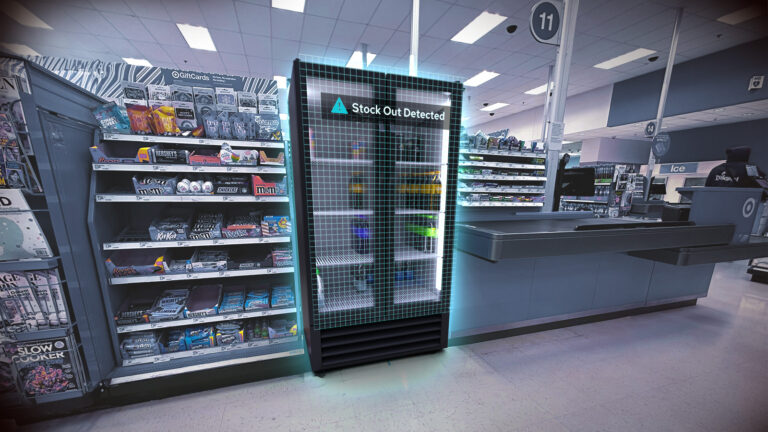
When Stoc detects repeated stockouts for specific beverages, operators can clearly see which products consistently experience strong demand during events.
These signals highlight where cooler supply is insufficient and where additional facings or inventory could capture more revenue.
Missing Facings:
Stoc also measures when individual facings, but not every facing, of a product sells through. These patterns reveal demand pressure building within the cooler before a full stockout occurs.
Operators can identify products that deserve more shelf space before availability issues become severe.
Under-Faced Products:
When demand signals repeatedly show facings selling through or products stocking out, Stoc identifies beverages that are under-represented in the planogram.
These insights allow operators to increase facings for the products fans clearly prefer.
Over-Faced Products:
Stoc also highlights beverages that rarely experience demand pressure. When products consistently maintain full facings throughout events, it suggests cooler space may be allocated inefficiently.
Operators can reclaim that space and reallocate it to higher-performing beverages or new products they want to test.
Operational Performance Signals
Demand insights alone are not enough. Stoc also reveals how well beverage operations keep up with that demand.
Two signals play a major role.
Utilization:
Cooler utilization reveals how full beverage environments remain during events. When utilization consistently drops, it can signal demand forecasting issues, slow merchandising, or insufficient cooler capacity.
Understanding utilization patterns helps operators determine whether staffing and capacity match real event demand.
Replenishment Duration:
Stoc also measures how long products remain unavailable before they are restocked.
Long replenishment durations often highlight operational bottlenecks such as staffing constraints, supply availability issues, or inefficient market layouts.
These signals help operators identify where operations struggle to keep pace with fan demand.
Turning Lost Sales Into Demand Intelligence
One of the most powerful advantages Stoc provides is the ability to distinguish sales from demand.
Sales data shows what fans successfully purchased.
Stoc reveals what fans actually wanted.
When beverages stock out, demand does not disappear. Fans either choose another product or abandon the purchase entirely.
By identifying where demand consistently exceeds supply, operators gain visibility into lost revenue opportunities that traditional reporting cannot reveal.
This demand intelligence transforms how stadium teams approach stadium off-season optimization.
Instead of simply asking how to increase sales, operators can focus on a more important objective:
Stop losing the demand that already exists.
How This Changes Off-Season Planning
When these signals are captured throughout the season, off-season planning becomes dramatically simpler.
Operators already know:
- Which products deserve more cooler space
- Which beverages rarely move
- Which markets attract the most demand
- Where replenishment struggles to keep up
From there, the improvements become obvious.
Teams can rebalance planograms, adjust product assortments, test new beverages, and expand capacity in high-demand markets.
The off-season becomes less about analysis.
And more about execution.
The Off-Season Advantage
Stadium operators only get a short window to improve operations before the next season begins.
The teams that use that window best are the ones who already understand how demand behaves inside their venue.
True stadium off-season optimization begins long before the off-season itself.
By capturing operational signals throughout the season, Stoc allows operators to enter the off-season with a clear understanding of what needs to change.
Which means the off-season is no longer about figuring things out.
It’s about executing improvements that drive better fan experiences and stronger beverage performance in the season ahead.