
Shelf Intelligence Playbook: The Signals Smart Teams Use to Fix Availability Before Sales Are Lost
Why Availability Is a Shelf Intelligence Problem
Across retail environments, shelves rarely fail because teams are not working hard enough. They fail because no one can see the problem while it is happening.
Traditional availability management relies on fixed restocking schedules, manual checks, and retrospective reports. These approaches summarize performance after the fact but miss the moments when revenue is actually lost.
Industry research from the National Retail Federation shows that poor on-shelf availability directly reduces conversion and customer satisfaction, particularly in high-traffic environments (NRF, “On-Shelf Availability: Why It Matters”).
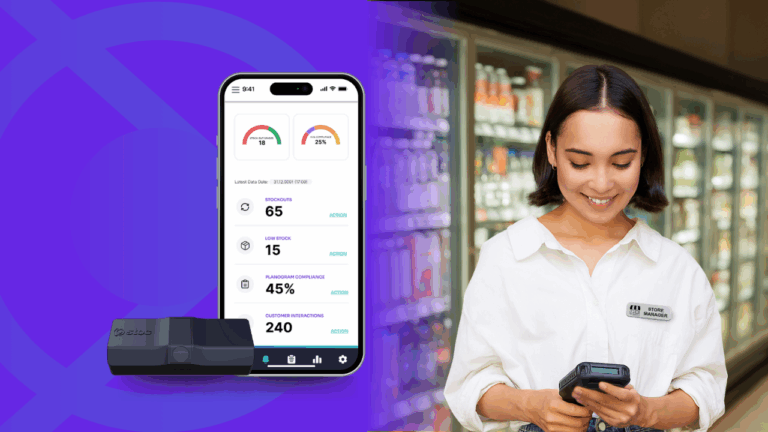
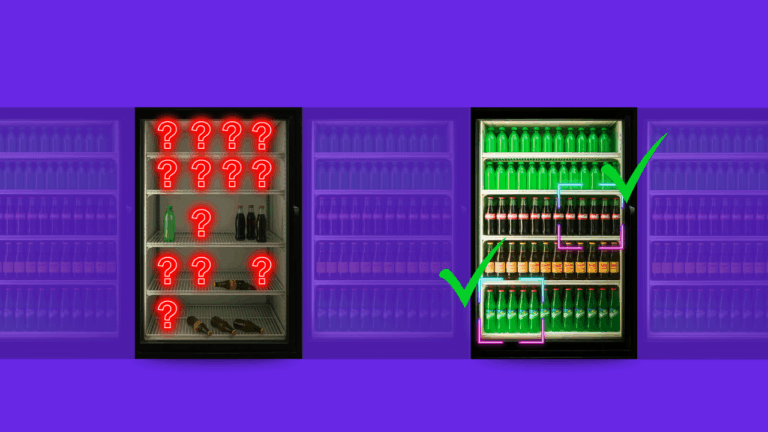
Shelf intelligence fills this visibility gap by revealing what is missing, where it is missing, and how long the shelf stays broken during the day.
What Shelf Intelligence Reveals in Live Retail Environments
During real-world rollouts, engagements, and launches, shelf intelligence consistently surfaces the same pattern.
Availability problems are not evenly distributed. They are concentrated, repeatable, and tied to behavior and timing rather than total inventory.
Once shelf intelligence is activated, teams typically discover:
- Availability gaps lasting hours, not minutes
- A small number of shelves and SKUs driving most issues
- Predictable breakdowns tied to labor coverage and vendor timing
These insights shift the conversation from “are we stocked?” to “where are we losing sales right now?”
Signal 1: Availability Gaps Last Longer Than Teams Expect
One of the most overlooked shelf intelligence signals is duration.
In live deployments, availability gaps often persist through meal periods, shift changes, and peak demand windows. What feels like a brief issue can quietly erode revenue for hours.
Research from McKinsey highlights that prolonged out-of-stocks have a significantly higher revenue impact than short gaps, especially for high-velocity products (McKinsey, “Reducing out-of-stocks in retail”).
Action to take
Prioritize shelf issues based on how long they last, not how often they occur. Focus first on gaps that overlap with peak traffic and high-demand periods.
Signal 2: A Small Set of SKUs Drives Most Shelf Failures
Shelf intelligence often reveals that most availability loss comes from a minority of products.
Across many engagements, a small group of high-velocity SKUs accounts for the majority of shelf downtime. These products sell faster than the space allocated to them can support.
This aligns with broader retail findings that a small portion of products often drives a disproportionate share of sales and operational risk (Harvard Business Review, “What the 80/20 Rule Really Means”).
Action to take
Increase facings for the SKUs driving the most availability loss. Reallocate space from slower-moving items. Shelf intelligence turns assortment decisions into data-backed adjustments instead of opinion-based debates.
Signal 3: Timing, Not Inventory, Causes Availability Loss
Another consistent pattern is when shelves break down.
Shelf intelligence shows that availability often drops:
- After responsibility shifts
- Between vendor visits
- During high-traffic windows
These failures are rarely caused by insufficient inventory. They are caused by misalignment between demand, labor, and replenishment timing.
Operations research from MIT shows that timing and process alignment often matter more than total inventory levels when preventing stockouts (MIT Center for Transportation & Logistics, “The Real Causes of Retail Stockouts”).
Action to take
Route shelf intelligence alerts to staff who are onsite and empowered to act. Expand ownership beyond a single role so issues are corrected during operating hours instead of carrying overnight.
Signal 4: Weekly Metrics Hide Daily Revenue Risk
Weekly availability metrics often paint an overly optimistic picture.
In live environments, shelf intelligence reveals that shelves can perform well on paper while still failing daily during peak demand periods.
Analyst research shows that aggregated reporting frequently masks short-term execution failures that materially impact revenue and customer experience (Gartner, “Why Retailers Struggle With Inventory Accuracy”).
Action to take
Monitor shelf conditions daily and evaluate performance during peak hours. Shelf intelligence makes short-term failures visible before they become recurring revenue leaks.
What Changes When Teams Operate on Shelf Signals
When shelf intelligence becomes part of daily operations, behavior changes.
Teams stop guessing and start prioritizing.
They act earlier instead of reacting late.
They align labor and vendor activity to real demand.
Shelves stay full longer. Availability stabilizes. Revenue becomes more predictable.
Shelf intelligence does not replace teams. It gives them the clarity they need to operate with confidence.
Applying Shelf Intelligence Across Retail Environments
The signals outlined in this playbook apply anywhere availability matters.
Shelf intelligence has proven valuable across:
- Convenience retail
- Foodservice and concessions
- Corporate and campus retail
- High-traffic, limited-space environments
The common thread is not industry. It is complexity.
For a real-world example of how shelf intelligence uncovered hidden availability gaps and translated visibility into measurable revenue impact, explore the Healthcare Foodservice Provider case study, which shows how real-time shelf visibility helped deliver a 32x ROI.
Related Reading
- Explore more execution-focused guidance in the Playbooks section on hellostoc.com
- Learn how the AI Retail Agent powers shelf intelligence in the Learn Our Tool library
- Review availability benchmarks in the National Retail Federation research cited above