Stadium Fan Experience Optimization: A Game Day Log from a Stadium Operator
Stoc Brief
- Most performance outcomes are determined before gates open
- Flexibility drops sharply once the game begins
- Sales reports show results, not root causes
My Game Day, Start to Finish
Game day starts long before gates open.
I’m responsible for food and beverage across the building: dozens of markets, multiple coolers per stand, hundreds of SKUs, and rotating staff. When people talk about stadium fan experience optimization, they usually mean strategy. For me, it begins with preparation.
Pregame
Before gates open, I walk the concourse checking depth, facings, and inventory staging. Coolers need to be filled to maximum depth, not just topped off. High-velocity SKUs need proper allocation. Inventory must be close enough to respond during peak.
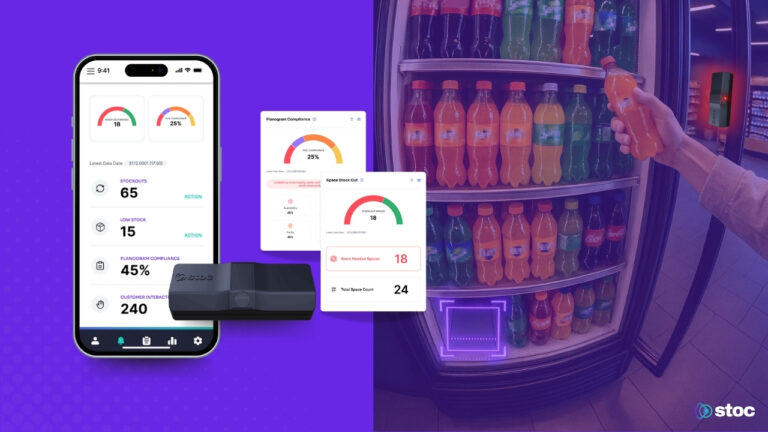
Planogram compliance in stadiums is often manual. We rely on binders, laminated sheets, and visual audits. Staff rotates, and not everyone knows every layout. If a cooler is filled shallow or a planogram is outdated, that decision will surface later under pressure.
Everything may look correct now. That doesn’t mean it will hold.
Gates Open
The surge starts immediately. The window between gates open and halftime is usually the heaviest demand period in stadium food and beverage operations. Coolers open constantly. Lines build. Speed replaces precision.
Labor is fixed. Once the game starts, we are set. I cannot rebalance staff across 30 markets without creating new gaps.
If a top seller stocks out, how fast do we know, and do we have real-time cooler visibility across the building?? Is backstock close? Did we fill deep enough to survive the first wave? Small pregame decisions compound quickly.
Compliance starts high and drifts. Not because standards drop, but because urgency rises. Availability becomes the priority. Facings shift. Depth drops.
Stockouts rarely explode. They happen quietly and show up later in the numbers.
First Half
As demand continues, complexity builds. Some products move faster than expected. Others stall. A cooler heavy on the wrong SKU becomes inefficient, but it cannot be redesigned mid-surge.
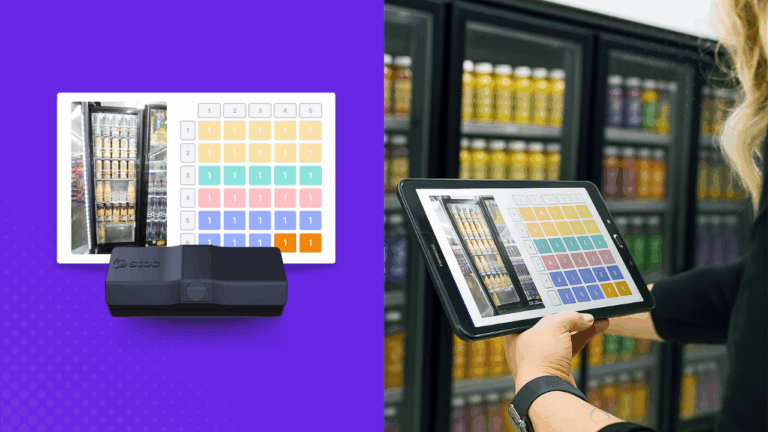
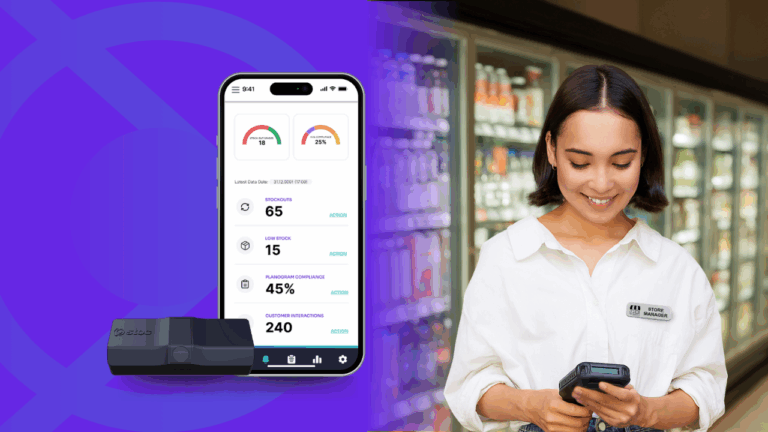
I’m accountable for revenue and fan experience, yet I don’t have a building-wide, real-time view of cooler health. I don’t know which SKUs stocked out multiple times or which coolers were under-filled at gates open.
Sales will show what moved. It won’t show what customers wanted but couldn’t buy.
Stadium beverage sales optimization sounds like growth in meetings. On the floor, it feels defensive. The real question is whether we missed what we should have captured.
I feel the pressure. I just can’t fully see the pattern.
Halftime
Halftime gives a brief reset window.
If I had precise visibility, I could act surgically: refill the fastest-dipping coolers, correct repeated stockouts, move inventory closer to peak markets. Without that clarity, the reset becomes broad. Top off what looks low. Ask supervisors. Move quickly.
Improving fan experience at stadiums isn’t about dramatic in-game heroics. It’s about tightening the system event by event: fill deeper next time, adjust facing counts next time, refine product mix in the off-season after reviewing stockout patterns.
The goal isn’t perfection. It’s trending upward.
Postgame
After the final whistle, I review the report. Up. Down. Flat.
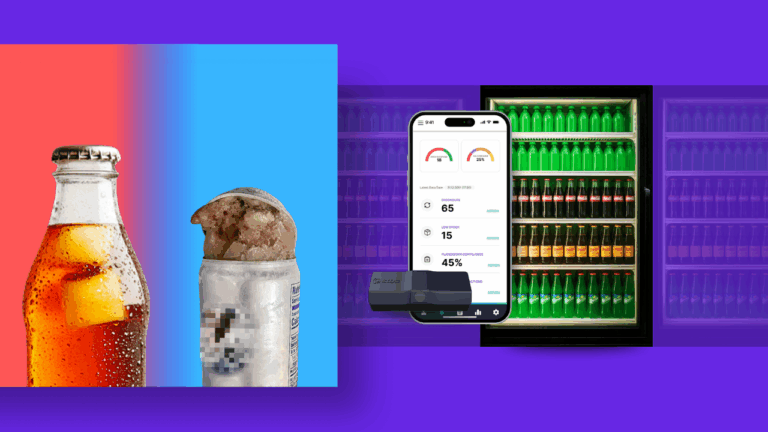
That number reflects outcome, not mechanics. It doesn’t show how many micro stockouts occurred during peak demand, whether cooler depth was insufficient at gates open, or how planogram drift affected visibility.
Stadium fan experience optimization depends on execution inside stadium concession operations. But execution is shaped by inventory management systems and operational processes. When systems are manual and visibility is fragmented, friction is inevitable.
I’m accountable for the result, even when I couldn’t fully see the system producing it.
When friction becomes measurable, decisions sharpen. When decisions sharpen, adjustments improve. Over time, performance trends upward.
That’s what game day really feels like.